Category: Uncategorized
-
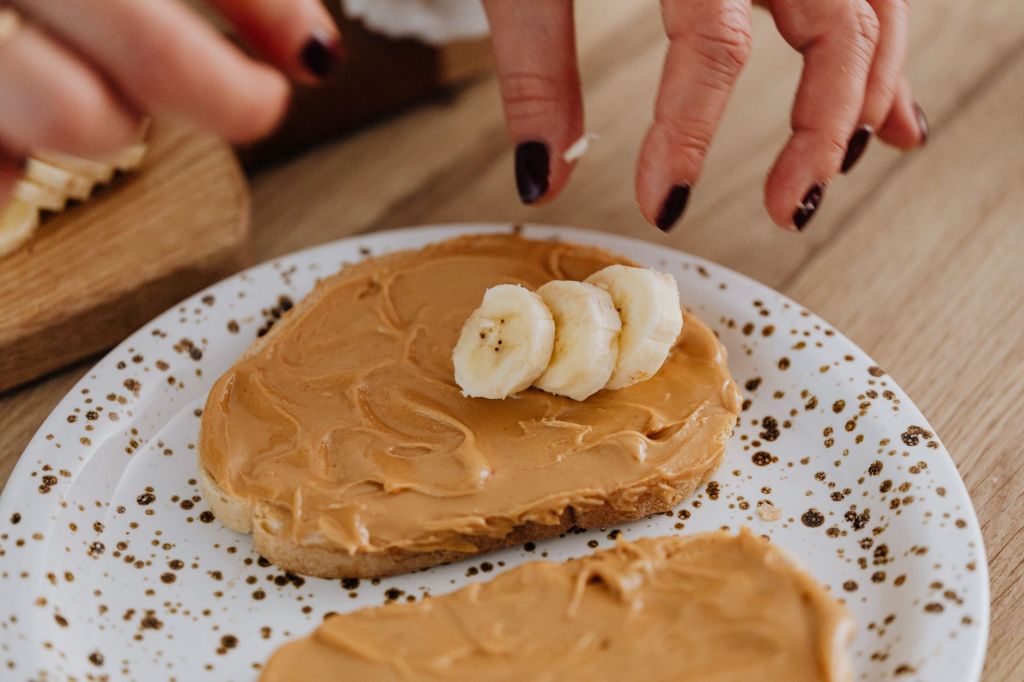
What Should You Eat Before a Run? A Guide to Pre-Run Nutrition
Knowing what to eat before a run can make a significant difference in how you feel and perform. Whether you’re heading out for an easy morning jog or preparing for a long weekend run, your nutrition should support the demands of your workout. Carbohydrates are the primary focus of pre-run nutrition because they provide an…
-

Running Fasted: Is It Actually Better for You?
If you run early in the morning, there’s a good chance you’ve headed out the door without eating breakfast. Some runners intentionally train on an empty stomach, believing it helps burn more fat, improve endurance, or make the body more efficient at using stored energy. But is running fasted actually better, or are we confusing…
-
What Throws Your Sleep Hormones Off Balance
Even well-intentioned sleep habits can be undermined by everyday disruptions. You may keep a fairly steady schedule most of the week, but a few common factors can quietly interfere with the hormonal balance that governs sleep. Inconsistent sleep times, irregular exposure to natural light, shift work, and late-night screen time are among the most common…
-
How a Consistent Routine Keeps Your Body Clock on Track
Your body runs on a natural circadian rhythm, a roughly 24-hour cycle that governs when you feel sleepy, when you feel alert, and when your hormones rise and fall. The best way to support that rhythm is consistency. Going to bed and waking up at roughly the same time each day gives your body a…
-
The Hormones Behind Your Sleep and Wake Cycle
Have you ever noticed feeling wide awake at 10 p.m. but dragging at 6 a.m.? Much of that comes down to a delicate hormonal system that keeps your body clock running. At the center of this system is a small region of the brain called the suprachiasmatic nucleus, often described as the body’s master clock.…
-
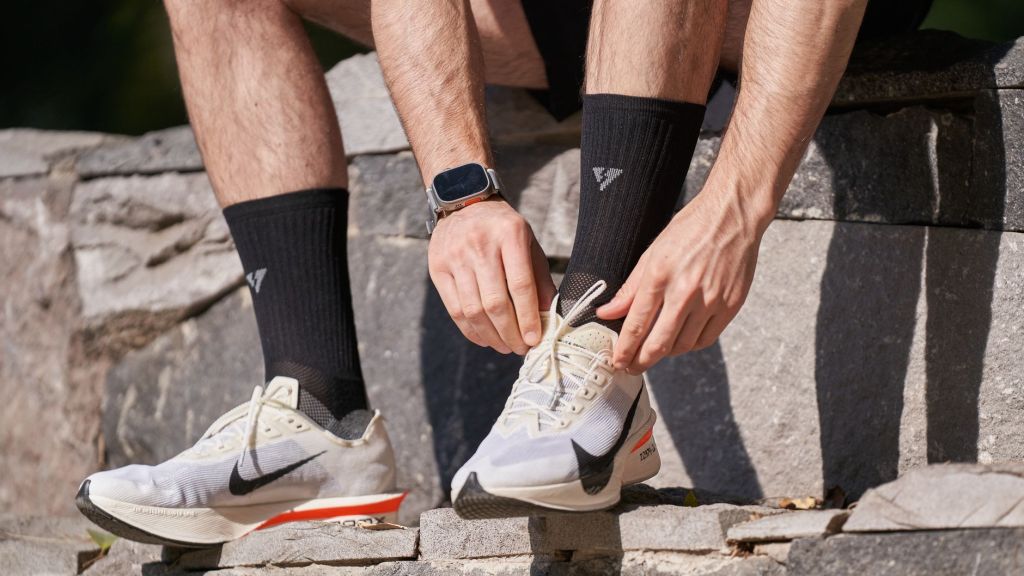
How Long Do Running Shoes Really Last? What the Research Says
If you’ve ever been told to replace your running shoes every 300–500 miles, you’ve probably wondered where that number comes from. Is it based on research, or is it simply a rule runners have followed for years? The research suggests that running shoes gradually lose some of their cushioning and mechanical properties with use. However,…
-
Is All Sugar Created Equal? What a New Study Says About Sugar, Fruit, and Hunger
You’ve probably heard it before: “Simple carbohydrates burn faster and make you hungry sooner. Eat complex carbohydrates with more fiber for longer-lasting energy.” There’s some truth to this, but the relationship between carbohydrates, blood sugar, and hunger is more complicated than we often think. A recent study published in the Journal of the American Nutrition…
-
RPE vs. Percentage-Based Training: Is It Time to Stop Following the Numbers?
Have you ever walked into the gym with a workout planned, only to realize that the weight you’re supposed to lift feels much heavier than usual? Maybe you slept poorly, had a stressful day, or haven’t fully recovered from your previous workout. Do you stick to the prescribed weight because your program says so, or…
-
Can Beta-Alanine Help You Build More Muscle? A New Study Looks at Resistance Training
When people think about supplements for building muscle, creatine and protein usually get most of the attention. Beta-alanine is another supplement that has been studied extensively, particularly for its potential to improve high-intensity exercise performance. But could beta-alanine also help you get more out of your resistance training workouts? A new 2026 study published in…
-
PT Myth: Does Stretching Prevent Injuries? What the Research Says
Do You Really Need to Stretch? What the Research Says About Flexibility and Injury Prevention Stretch before exercise. Stretch after. Stretch when your muscles feel tight. For years, stretching has been treated as one of the most important tools for preventing injuries and keeping muscles healthy. But does it actually work? And does feeling tight…

